Is this you?

You have been told to pace yourself. You have been pacing for years.

Graded exercise made it worse. The antidepressant did nothing for the exhaustion. The last doctor was kind and had nothing left to offer. Somewhere along the way “manage your symptoms” became the whole plan, and you stopped expecting anyone to look underneath them.

This page describes what an inpatient ME/CFS program at our hospital consists of, week by week, and what it targets.

How we work

Treating the Biology, Not the Label

There is no single drug that treats CFS/ME because CFS/ME is not a single-cause disease. It is a syndrome resulting from multiple interacting biological dysfunctions. Effective treatment must address all of these dysfunctions simultaneously.

Our treatment program is built around the specific diagnostic findings for each patient. If we find mitochondrial impairment, we target mitochondrial repair. If we find viral reactivation, we address the infection. If we find immune dysregulation, we modulate the immune response. Most patients have several overlapping issues that require a comprehensive, multi-modal protocol.

The typical program runs 2-3 weeks as an inpatient stay, with daily treatments carefully paced to avoid triggering post-exertional malaise. We understand that CFS patients are fragile — our protocols are designed with this reality in mind.

A person in a soft knit sweater sits by a tall window of a Bavarian guesthouse
Therapeutic Modalities

Core Treatments for CFS

Mitochondrial Repair Therapy

High-dose IV micronutrient infusions including NAD+, CoQ10, alpha-lipoic acid, B vitamins (especially B1, B2, B3, B12), magnesium, and glutathione target specific blocks in the mitochondrial electron transport chain. These nutrients support ATP production and reduce oxidative stress at the cellular level.

Immune Modulation

Thymus peptides, low-dose immunotherapy, microimmunotherapy, and natural killer cell support restore immune balance. For patients with viral reactivation, targeted antiviral protocols and immune-stimulating therapies are employed.

H.E.L.P. Apheresis

Blood filtration removes inflammatory proteins, autoantibodies, and circulating immune complexes that perpetuate chronic inflammation. Many CFS patients report rapid improvement in brain fog and energy following apheresis sessions.

Mild Hyperthermia

Gentle whole-body hyperthermia at lower temperatures (38.5-39.5 degrees C) stimulates immune function, improves circulation, and may help clear chronic intracellular infections without overstressing the system. Sessions are carefully calibrated for CFS patients.

Detoxification

Liver support, lymphatic drainage, targeted chelation (when indicated by heavy metal testing), and gut decontamination protocols help reduce the toxic burden that impairs mitochondrial function and sustains inflammation.

Gut Restoration

Microbiome-guided probiotic therapy, intestinal permeability repair, anti-inflammatory nutrition, and antimicrobial protocols for gut pathogens address the gut-immune-brain axis disruption common in CFS patients.


Supporting Therapies

Additional Treatment Components

  • Ozone therapy (major autohemotherapy) for immune stimulation and oxygen metabolism
  • Hormonal optimization -- thyroid, adrenal, and sex hormone correction where indicated
  • Autonomic rehabilitation including vagus nerve stimulation and breathing retraining
  • Pulsed electromagnetic field therapy (PEMF) for cellular regeneration
  • Carefully paced physiotherapy designed to avoid post-exertional malaise
  • Psychotherapy and stress management for the emotional burden of chronic illness
  • Sleep optimization including melatonin protocols and sleep hygiene guidance
  • Anti-inflammatory nutritional counseling tailored to individual food sensitivities
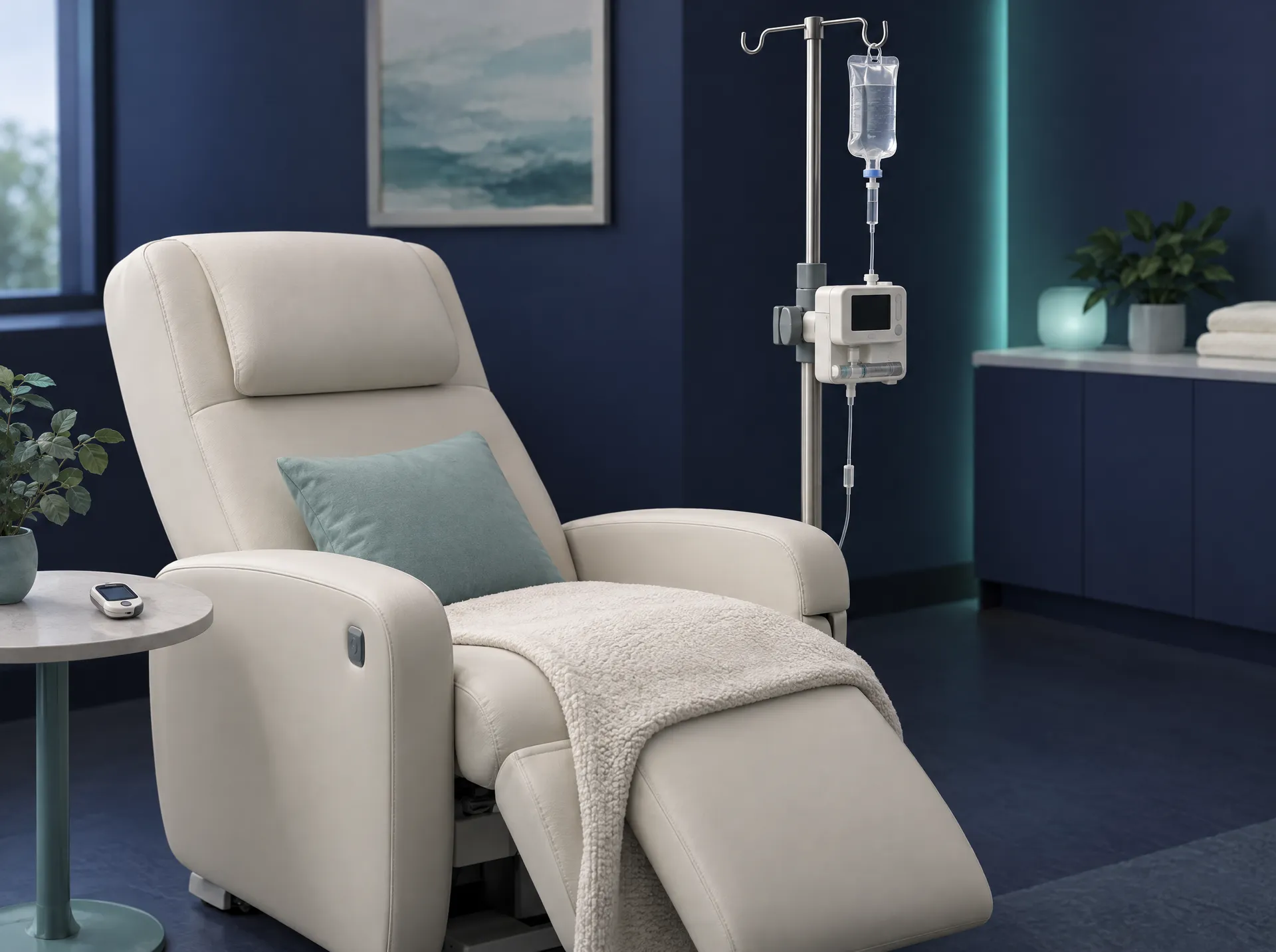
Illustration of an ipt - insulin-potentiated low-dose chemotherapy device
Illustration: infusion set-up for insulin-potentiated therapy. Not a photo of our department.
Close-up of hands holding an open navy folder with a few pages of unreadable printed results at a light oak desk

“We design our CFS protocols with one essential principle: do not trigger post-exertional malaise. Every therapy, every schedule, every rehabilitation step is calibrated to support recovery without overwhelming the patient’s limited energy reserves.”

Medical Team, St. George Hospital

The practical part

What to Expect

Program Duration

Typically 2-3 weeks for the initial intensive program. Some patients with severe CFS benefit from longer stays. Follow-up programs can be arranged for maintenance therapy.

Daily Schedule

2-3 treatments daily with generous rest periods between sessions. The schedule is flexible and adjusted based on your energy levels and treatment response each day.

After Discharge

You leave with a detailed home protocol including supplements, dietary guidance, pacing strategies, and follow-up lab schedules. Remote consultations ensure continuity of care.

Related therapies

Therapies Used in Our CFS Program

IHHT Oxygen Therapy

Stimulates mitochondrial regeneration and improves cellular energy production -- a cornerstone of our CFS treatment protocol.

What IHHT training involves →

NAD+ IV Therapy

Restores cellular energy metabolism by replenishing NAD+, a critical coenzyme depleted in chronic fatigue patients.

What NAD+ infusion involves →

Request a consultation

A video consultation in English before you travel. A physician reviews your findings first; we reply by email within one business day (Mon–Fri).

Mon–Thu 08:00–17:00, Fri 08:00–14:00 (CET/CEST)+49 8061 398-0info@clinicum-stgeorg.de

St. George Hospital is a specialist hospital, not an emergency department. In a medical emergency in Germany, dial 112.

CallRequest