
Cortical Stimulation
Transcranial Direct Current Stimulation (tDCS)
A non-invasive brain stimulation technique that applies low-intensity direct current via scalp electrodes to modulate cortical excitability, enhance neuroplasticity, and support neurological recovery.
What Is tDCS?
Transcranial direct current stimulation (tDCS) delivers a weak direct current (typically 1-2 milliamps) through electrodes placed on the scalp. This current modulates the resting membrane potential of cortical neurons, making them more or less likely to fire depending on electrode polarity.
Anodal stimulation (positive electrode) generally increases cortical excitability, while cathodal stimulation decreases it. This allows clinicians to selectively enhance or suppress activity in targeted brain regions based on the patient’s neurological profile.

How Does It Work?
The weak current flows between the anode and cathode electrodes through the scalp and skull into the underlying cortex. At the neuronal level, anodal tDCS depolarizes the resting membrane potential, bringing neurons closer to their firing threshold and increasing spontaneous neural activity. These effects persist beyond the stimulation period through mechanisms related to long-term potentiation (LTP).
When combined with cognitive tasks, rehabilitation exercises, or other therapies during the stimulation period, tDCS can enhance learning and skill acquisition by promoting synaptic plasticity in the targeted brain regions.
Conditions Treated
- Major depression (especially treatment-resistant)
- Chronic pain syndromes (fibromyalgia, neuropathic pain)
- Post-stroke motor and language rehabilitation
- Cognitive impairment and "brain fog"
- Tinnitus
- Addiction and craving reduction
Is tDCS Right for You?
tDCS electrode placement and stimulation parameters are customized based on your specific diagnosis. Our neuromodulation specialists will design the appropriate protocol.
What a session feels like
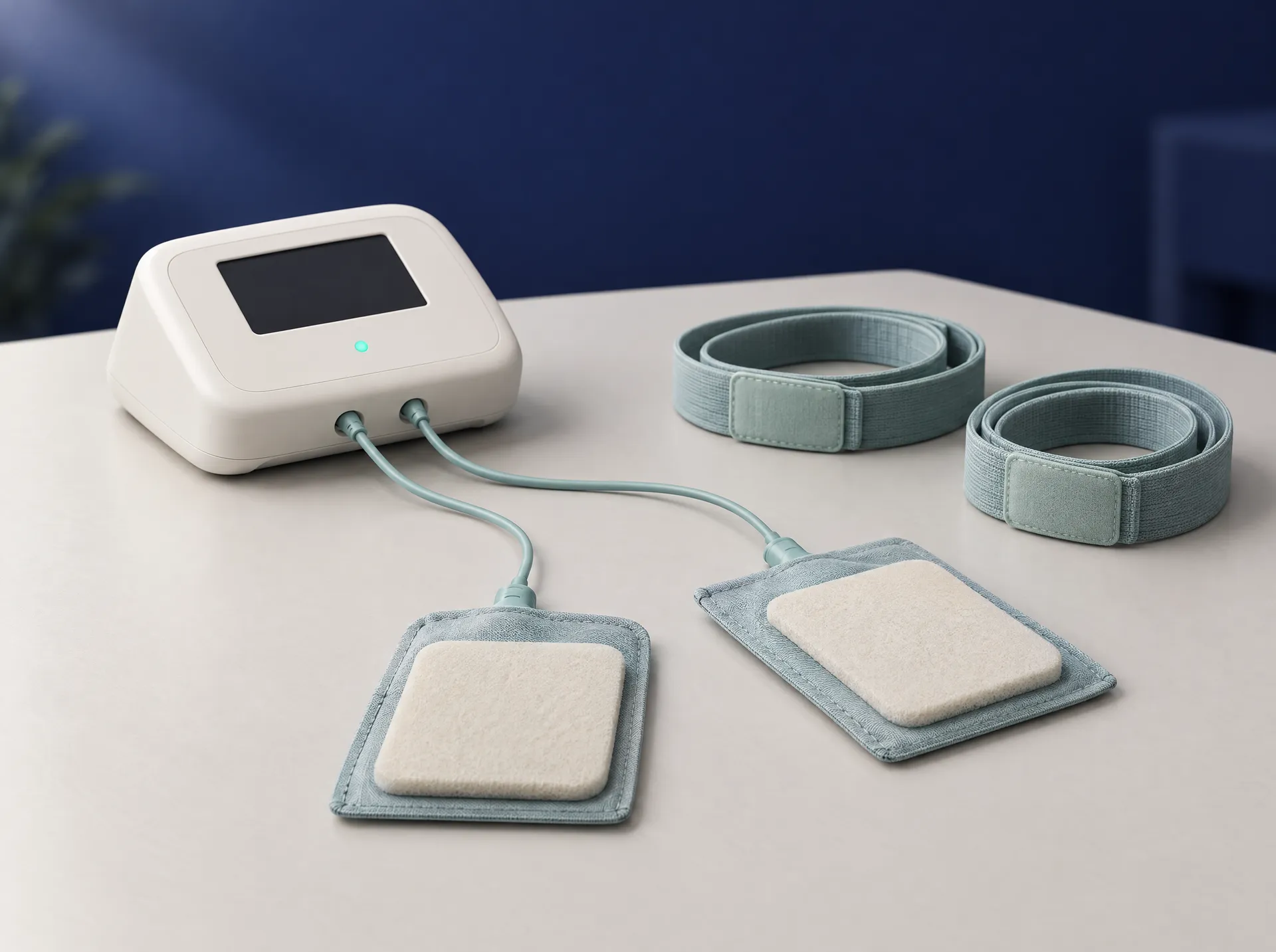
- Before Two sponge electrodes, damp with saline, are held against your scalp by a band.
- During 20–30 minutes. A tingle or itch under the sponges in the first minute, then usually nothing. You may be asked to do cognitive or rehabilitation exercises during the session, which is part of the method.
- Afterwards Nothing to recover from. A typical course is 10–20 sessions over 2–4 weeks.
Evidence & Safety
tDCS is one of the most extensively studied non-invasive brain stimulation techniques, with thousands of published studies. Meta-analyses in journals including Brain Stimulation, JAMA Psychiatry, and Neurology support its efficacy for depression and chronic pain. The treatment has an excellent safety profile — no serious adverse events have been reported in over 33,000 sessions documented in the literature. Contraindications include metallic implants near the electrode sites and skull defects.
Request a consultation
A video consultation in English before you travel. A physician reviews your findings first; we reply by email within one business day (Mon–Fri).
Mon–Thu 08:00–17:00, Fri 08:00–14:00 (CET/CEST)+49 8061 398-0info@clinicum-stgeorg.de
St. George Hospital is a specialist hospital, not an emergency department. In a medical emergency in Germany, dial 112.