
Oxygen & Detoxification
Medical Ozone Therapy
A controlled application of medical-grade ozone-oxygen mixtures to improve oxygen utilization at the cellular level, stimulate immune function, and support the body’s natural detoxification pathways.
What Is Medical Ozone Therapy?
Medical ozone therapy involves the therapeutic use of ozone (O3), a molecule composed of three oxygen atoms, mixed with medical-grade oxygen. When administered in controlled concentrations, ozone triggers a cascade of beneficial biological responses including improved oxygen delivery to tissues, activation of antioxidant defense systems, and modulation of immune function.
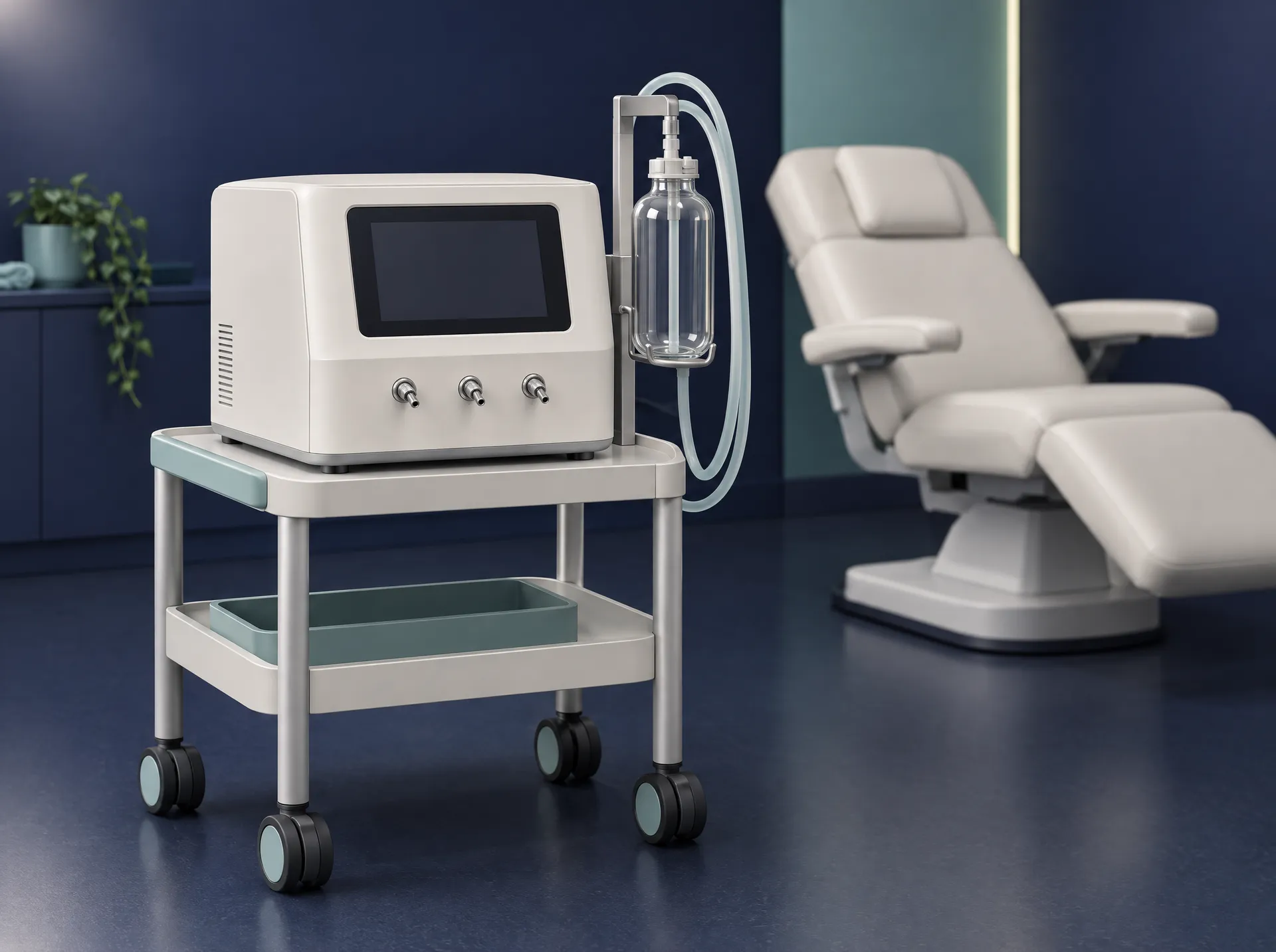
At St. George Hospital, ozone therapy has been used for over three decades as part of integrative treatment protocols. It can be administered via major autohemotherapy (mixing ozone with the patient’s blood), minor autohemotherapy, rectal insufflation, or local application, depending on the clinical indication.
How Does It Work?
When ozone contacts blood or tissues, it reacts instantly with biomolecules to form reactive oxygen species (ROS) and lipid oxidation products (LOPs). At therapeutic doses, these act as signaling molecules that upregulate the body’s own antioxidant systems (superoxide dismutase, glutathione peroxidase, catalase) and improve the oxygen-carrying capacity of red blood cells by increasing 2,3-DPG levels.
The immune-modulatory effects include activation of monocytes and lymphocytes, increased production of interferons and interleukins, and enhanced phagocytic activity. These mechanisms contribute to improved tissue oxygenation, anti-infective activity, and reduction of chronic oxidative stress.
Conditions Treated
- Chronic Lyme disease and co-infections
- Post-COVID syndrome
- Chronic fatigue and immune dysfunction
- Circulatory disorders
- Chronic wounds and infections
- Supportive cancer care
- Chronic inflammatory conditions
Could this belong in your plan?
That depends on your findings, not on the therapy. Send what you have with a short history; a physician reads it before the video call and tells you whether this treatment belongs in your program.
What a session feels like
- Before For major autohemotherapy you sit in a treatment chair and a nurse draws 100–200 mL of blood from a vein in your arm into a bottle.
- During The blood is mixed with a measured ozone-oxygen dose and flows back into the same vein over about 30 minutes. Rectal insufflation is the simpler form: 5–10 minutes, in private, painless.
- Afterwards You go straight back to your schedule. During an inpatient program sessions are usually several times a week.
Evidence & Safety
Medical ozone therapy has been practiced in Europe for over 50 years. Published research in journals including Medical Gas Research, the Journal of Natural Science, Biology and Medicine, and Frontiers in Chemistry supports its mechanisms of action and clinical applications. Ozone therapy is recognized by the German Medical Association and is widely used in European integrative medicine. When administered by trained professionals using calibrated medical ozone generators, the therapy has a very low rate of adverse events. It is contraindicated in G6PD deficiency, hyperthyroidism, and acute cardiovascular instability.
Request a consultation
A video consultation in English before you travel. A physician reviews your findings first; we reply by email within one business day (Mon–Fri).
Mon–Thu 08:00–17:00, Fri 08:00–14:00 (CET/CEST)+49 8061 398-0info@clinicum-stgeorg.de
St. George Hospital is a specialist hospital, not an emergency department. In a medical emergency in Germany, dial 112.