
Whole-Body Hyperthermia
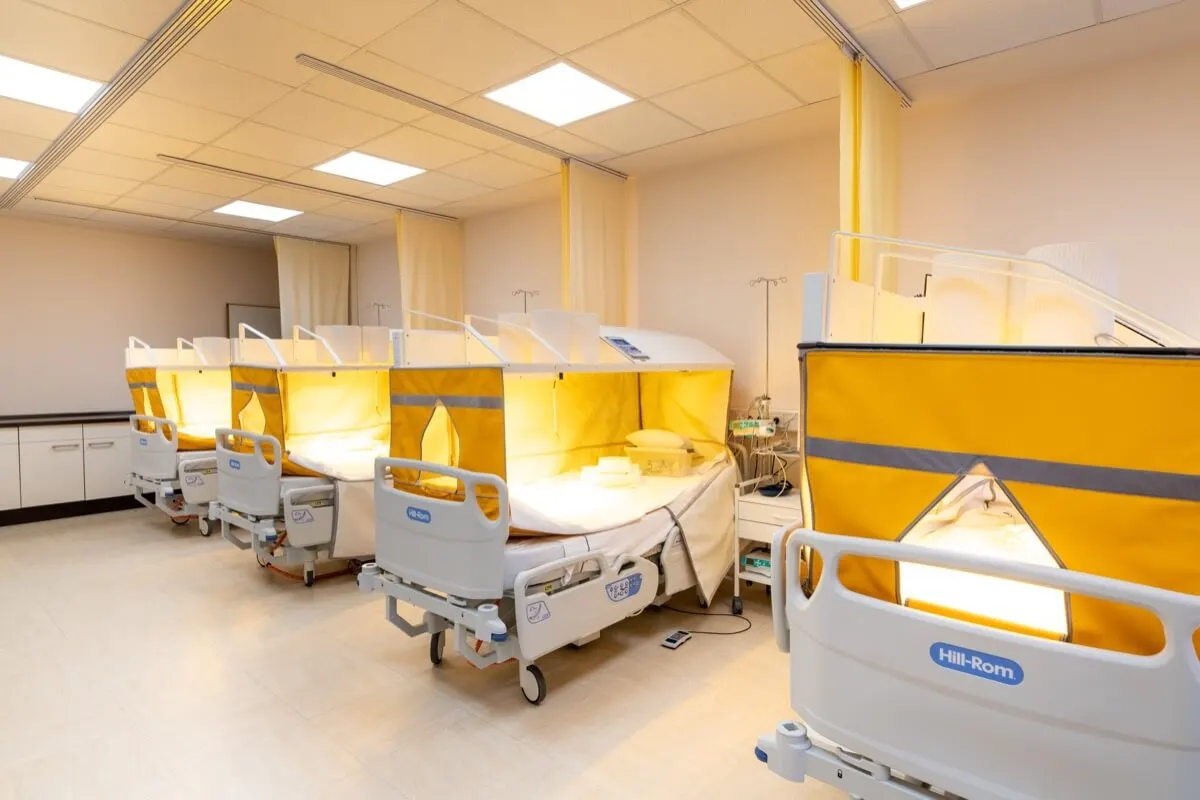
2 sessions at 41.6–41.8 °C (106.9–107.2 °F) for 120 minutes each under continuous medical monitoring. Borrelia spirochetes become structurally compromised and highly vulnerable to antibiotics at these temperatures.
Rosenheimer Str. 6-8, 83043 Bad Aibling, Germany · info@clinicum-stgeorg.de
Treatment Protocol
Our treatment program integrates multiple therapeutic modalities into a coordinated, individualized protocol designed to eliminate persistent Borrelia infection, restore immune function, and support full recovery.
You know the name of your illness now. What you do not have is a sequence: what happens first, what comes next, how long it takes, and who is watching while it happens. Your last plan was a prescription and “see how it goes.”
This page lays out the treatment protocol for chronic Lyme disease at our hospital, from admission to discharge letter.
Chronic Lyme disease is not a simple bacterial infection that responds to a single course of antibiotics. It is a complex, multi-systemic illness driven by persistent infection, immune dysregulation, chronic inflammation, and accumulated toxicity.
Standard treatment guidelines recommend 2-4 weeks of oral antibiotics for Lyme disease. While this may be sufficient for early, uncomplicated infections, it consistently fails patients with established chronic disease. The reasons are well-documented:
Our treatment protocol addresses each of these challenges simultaneously.
Program Structure
Our Lyme treatment is structured into distinct clinical modules. Each module targets a specific aspect of the disease. Patients receive an individualized combination based on their diagnostic findings. Protocols are developed by Dr. Julian Douwes, Chief Medical Officer.
Module 1
2 weeks inpatient
The core treatment module targeting Borrelia elimination through the synergy of controlled hyperthermia and targeted antimicrobial therapy.
2 sessions at 41.6–41.8 °C (106.9–107.2 °F) for 120 minutes each under continuous medical monitoring. Borrelia spirochetes become structurally compromised and highly vulnerable to antibiotics at these temperatures.
2 weeks of individualized IV and oral antibiotic combinations targeting all morphological forms of Borrelia: active spirochetes, cyst forms, and biofilm communities. Agents are selected based on sensitivity and co-infection profile.
Detoxification protocols to manage Herxheimer reactions, immune modulation with micronutrient infusions, and daily physical therapy throughout the 2-week program.
Module 2
2 Weeks · For Co-Infections
For patients with confirmed co-infections (Bartonella, Babesia, Ehrlichia, Rickettsia, Mycoplasma, and others), this module uses I.V. Laser Therapy (Photodynamic Therapy) combined with apheresis to target pathogens that do not respond to standard antibiotic protocols alone.
Blood purification sessions to remove circulating pathogen fragments, immune complexes, and inflammatory mediators released during laser-induced pathogen destruction. For severe co-infection cases where the infectious and inflammatory burden requires more aggressive blood purification, Plasma Exchange and Red Blood Cell Exchange may be recommended beyond standard H.E.L.P. apheresis.
Co-infection-specific antimicrobial agents selected based on identified pathogens. Each co-infection may require different agents and treatment duration.
10 sessions of intravenous low-level laser therapy (LLLT) where laser light is delivered directly into the bloodstream via a fiber-optic catheter in a peripheral vein. The therapy works by stimulating mitochondrial function and activating cellular ATP synthesis, accelerating healing and immune response at the cellular level. Each wavelength targets different complexes of the mitochondrial respiratory chain:
Sessions combine multiple wavelengths in a protocol individualized to the patient’s co-infection profile. The therapy is scientifically validated, nearly side-effect-free, and minimally invasive.
Module 3
1 Week · Gut Restoration
Extended antibiotic therapy disrupts the gut microbiome. This dedicated module restores gastrointestinal health through direct microbiome transplantation and targeted detoxification, supporting long-term immune recovery.
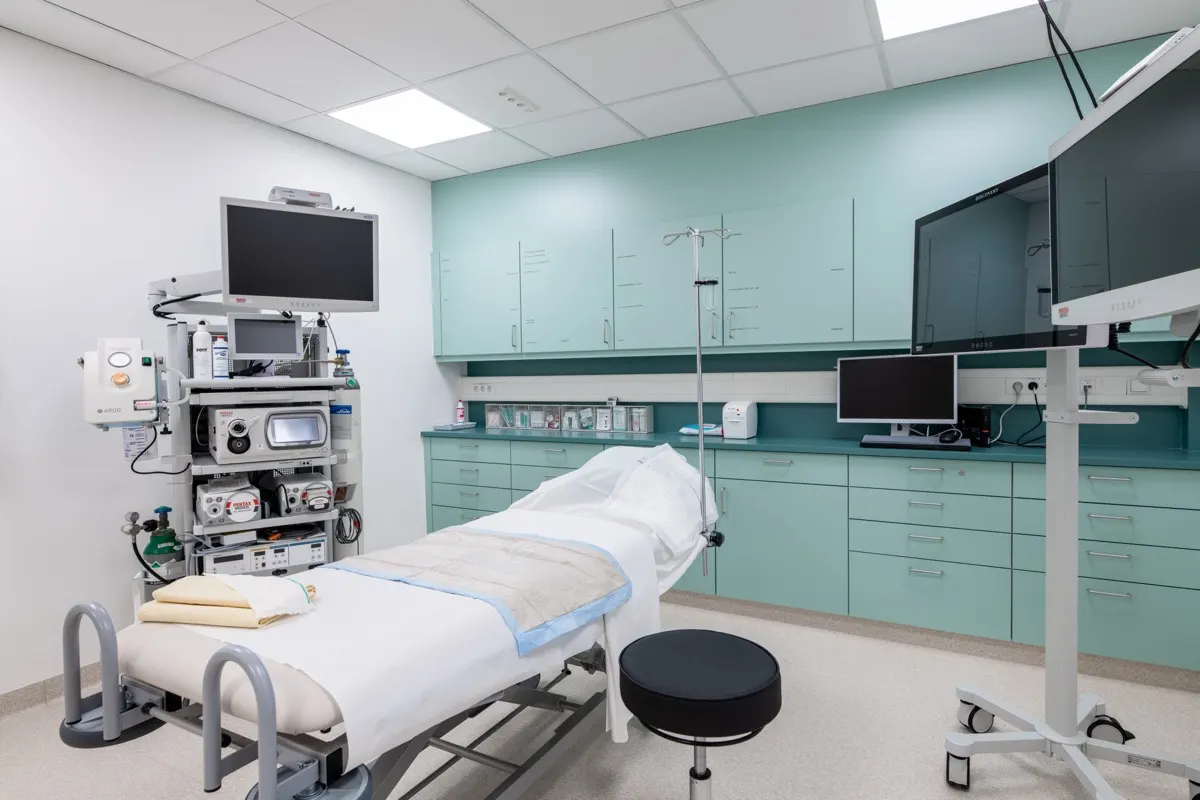
Endoscopic procedures to assess the state of the gastrointestinal tract and deliver a living microbiome cocktail directly to the upper and lower GI tract for optimal colonization.
3 days of targeted bacterial enemas to reinforce microbiome diversity and support re-colonization of beneficial bacterial communities throughout the colon.
Concurrent detoxification protocols to clear residual antibiotic metabolites and support the liver, kidneys, and lymphatic system during the restoration phase.
Additional Therapies
Depending on individual diagnostic findings, any of the following therapies may be recommended in addition to or alongside the core modules:
Our flagship therapy for chronic Lyme. 2 sessions per Lyme Package at 41.6–41.8 °C (106.9–107.2 °F) for 120 minutes each under continuous medical monitoring. Borrelia spirochetes become structurally compromised at these temperatures, while concurrent IV antibiotics achieve dramatically higher tissue penetration. Heat shock proteins activate powerful immune responses.
We use carefully selected combination IV antibiotic regimens that target all three morphological forms of Borrelia. Cephalosporins and macrolides address active spirochetes, while agents such as tinidazole and hydroxychloroquine target cyst forms. Biofilm-disrupting agents are used to enhance antibiotic penetration into protected bacterial communities.
How the Lyme therapies combine →This blood filtration technology selectively removes harmful proteins, lipoproteins, fibrinogen, and inflammatory mediators from the bloodstream. In Lyme patients, apheresis reduces the circulating toxic burden, removes immune complexes, and improves blood flow to tissues that harbor persistent infection. Patients typically experience rapid symptom improvement after sessions.
Intravenous laser therapy delivers multiple wavelengths of light directly into the bloodstream via a fiber-optic catheter. Blue laser (405 nm) with Riboflavin generates reactive oxygen species toxic to intracellular pathogens. Red laser (635 nm) provides anti-inflammatory and mitochondrial support. Green laser (532 nm) improves blood rheology. UV laser activates immune function. This multi-wavelength approach reaches pathogens in tissues where antibiotics have limited penetration.
Thymus peptide therapy, high-dose IV vitamin C, glutathione infusions, and targeted micronutrient support are used to restore immune competence. Chronic Borrelia infection suppresses key immune pathways, and recovery requires active immune restoration. We monitor immune markers throughout treatment to guide therapy intensity.
Controlled therapeutic fever using bacterial lysates to stimulate the body's natural fever response. Unlike hyperthermia, fever therapy activates the full immunological cascade associated with natural fever, including cytokine production, immune cell mobilization, and enhanced phagocytosis. This therapy has been used at St. George Hospital for decades.

Treatment at St. George Hospital is delivered as a structured inpatient program. Here is what a typical treatment journey looks like:
Comprehensive diagnostics, followed by 2 whole-body hyperthermia sessions at 41.6–41.8 °C (106.9–107.2 °F) for 120 minutes each, concurrent combination antibiotics for the full 2 weeks, daily detoxification, immune support infusions, and physical therapy.
For patients with confirmed co-infections: 10 I.V. Laser Therapy (PDT) sessions using multiple wavelengths (blue 405 nm + Riboflavin, red 635 nm, green 532 nm, UV) delivered directly into the bloodstream via fiber-optic catheter. Combined with apheresis blood purification (including Plasma Exchange or RBC Exchange for severe cases) and targeted antimicrobial agents specific to the identified co-infections (Bartonella, Babesia, Ehrlichia, etc.).
Gastroscopy and colonoscopy with transfer of a living microbiome cocktail, followed by 3 days of targeted bacterial enemas and concurrent detoxification. Restores gut health disrupted by extended antibiotic therapy.
Structured outpatient protocol with oral medications, repeat laboratory testing at 3, 6, and 12 months, remote video consultations, and coordination with your home physicians. Additional blood purification (apheresis) or Neural Therapy (procaine) can be scheduled as needed.
Our treatment outcomes are tracked through serial laboratory testing and standardized symptom assessments. While individual results vary based on disease duration, co-infection burden, and prior treatment history, the majority of our patients experience meaningful clinical improvement.
Common outcome patterns include:
We are transparent with patients: chronic Lyme disease treatment is a process, not a single event. Most patients require ongoing management and may benefit from multiple treatment cycles. Full symptom resolution varies by case, and we set realistic expectations while working toward the best possible outcome for each patient.
A video consultation in English before you travel. A physician reviews your findings first; we reply by email within one business day (Mon–Fri).
Mon–Thu 08:00–17:00, Fri 08:00–14:00 (CET/CEST)+49 8061 398-0info@clinicum-stgeorg.de
St. George Hospital is a specialist hospital, not an emergency department. In a medical emergency in Germany, dial 112.