Is this you?

You have tried rest, supplements and patience. Patience is running out.

Two years of “give it time.” A cardiologist who found nothing, a neurologist who found nothing, a support group full of people with the same nothing. You want a treatment with a rationale you can follow and a physician who says what they measure.

This page explains the three phases of our Post-COVID and Long COVID treatment, what each targets, and what a stay looks like.

Medical Rationale

Why Microcirculation Is Central to Treatment

Effective treatment of Post-COVID syndrome requires addressing the underlying pathology, not simply managing symptoms. At St. George Hospital, our treatment protocol is designed by Dr. Julian Douwes and informed by the clinical research of Dr. Beate Jaeger into microclots and microcirculation.

The core insight guiding our approach: if fibrinoid microclots are obstructing capillary blood flow, if the vascular endothelium is damaged, and if immune dysregulation is sustaining chronic inflammation, then treatment must target these mechanisms directly. Symptom management alone — while important for quality of life — does not address the biological drivers of the condition.

Our protocol therefore combines microclot removal (via therapeutic apheresis), oxygen delivery enhancement (via HBOT), mitochondrial repair (via IHHT), immune modulation, and carefully paced physical rehabilitation into a structured, individualized treatment program.

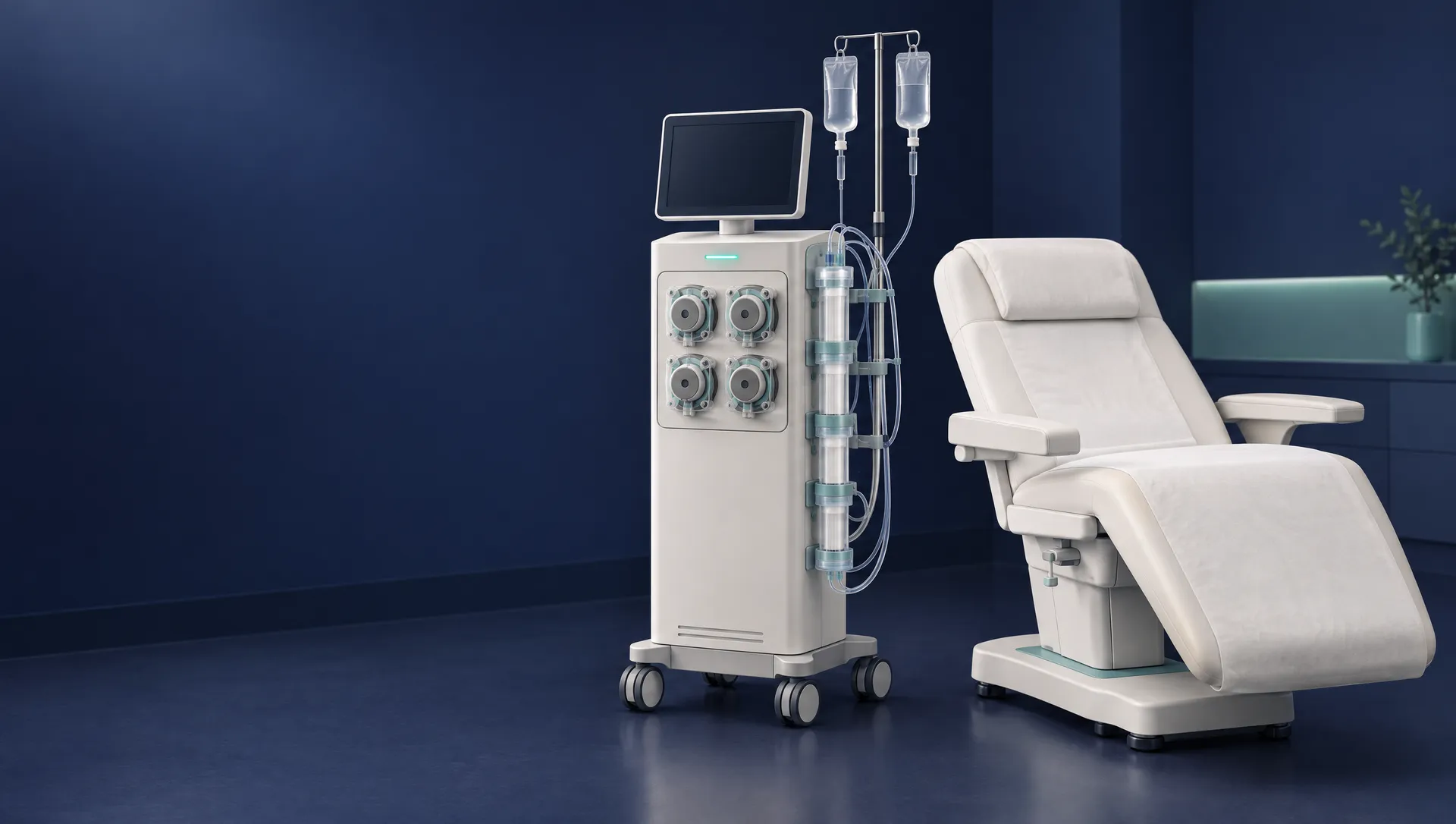
Illustration of a h.e.l.p. apheresis, used for long/post-covid and lyme device
Illustration: H.E.L.P. apheresis system (plasma filtration, precipitation and adsorption cartridges). Not a photo of our department.
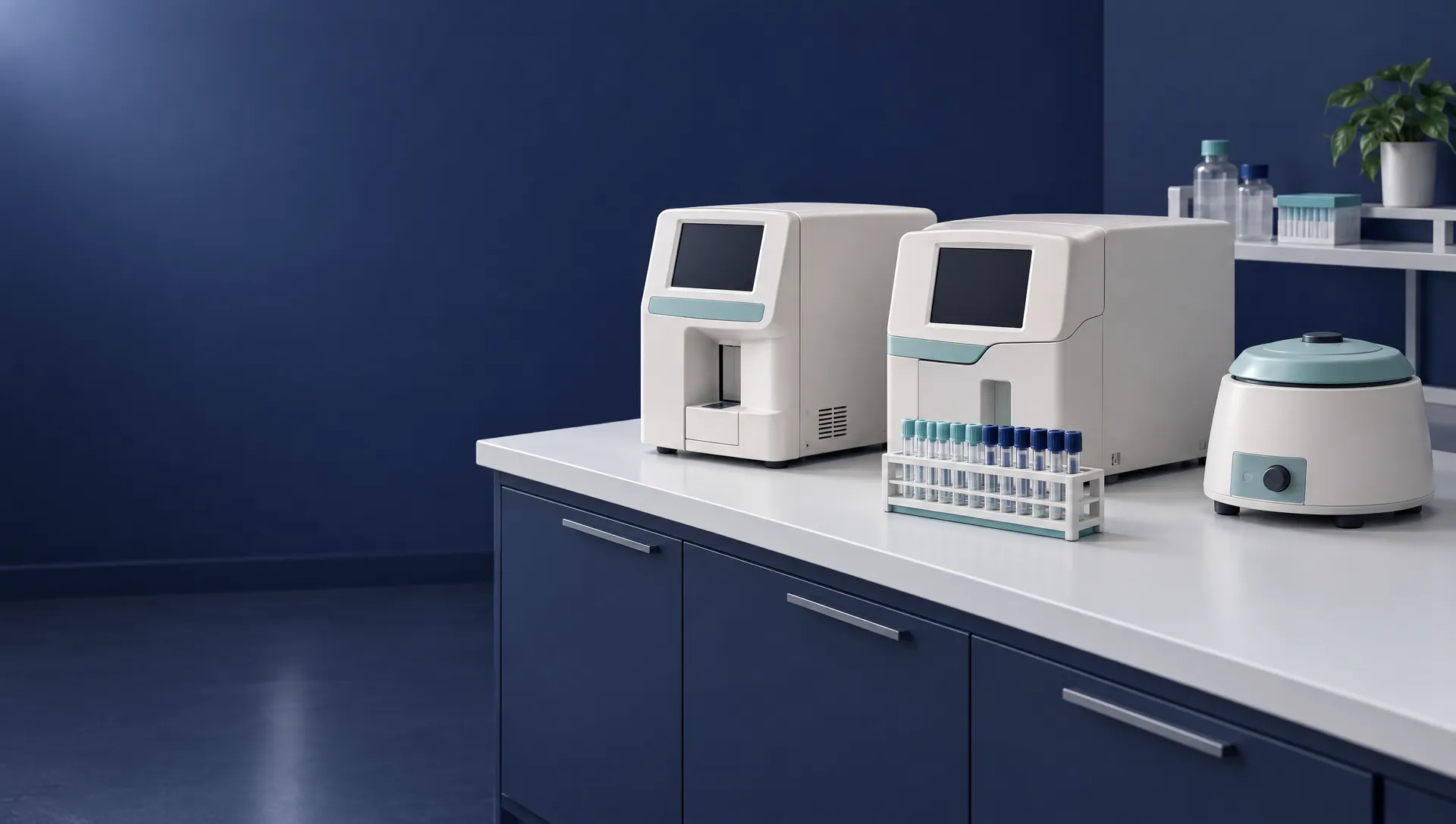
Illustration of an in-house laboratory device
Illustration: in-house laboratory analysers. Not a photo of our laboratory.
Phase 1

Precision Diagnostics

Every treatment program begins with a comprehensive diagnostic evaluation that goes far beyond standard blood panels. Our goal is to identify the specific pathological mechanisms driving each patient’s symptoms.

1

Microcirculation Assessment

Sublingual capillaroscopy and functional microcirculation testing to measure capillary density, flow velocity, and perfusion quality in real time.

2

Microclot Detection

Fluorescence microscopy of blood samples to identify fibrinoid microclot burden, informing decisions about apheresis frequency and duration.

3

Extended Immune Panel

Comprehensive analysis including cytokine profiling (IL-6, TNF-alpha, IFN-gamma), lymphocyte subsets, NK cell function, and screening for viral reactivation (EBV, CMV, HHV-6).

4

Mitochondrial Function Testing

Assessment of ATP production capacity, oxidative stress markers, and metabolic parameters to quantify cellular energy impairment.

5

Viral Persistence Markers

Spike protein and nucleocapsid antibody dynamics, viral RNA screening in blood and stool, to assess potential ongoing viral activity.

6

Autonomic Nervous System Evaluation

Heart rate variability analysis, tilt table testing, and orthostatic challenge to assess autonomic function and guide sympathetic/parasympathetic rebalancing.

Phase 2

Core Treatment

Based on diagnostic findings, Dr. Julian Douwes designs an individualized treatment protocol combining the following biological therapies. Treatment typically takes place over a 2-3 week intensive inpatient program.

H.E.L.P. Apheresis

The cornerstone of our microclot-targeted therapy. Heparin-induced Extracorporeal LDL Precipitation selectively removes fibrinoid microclots, fibrinogen, inflammatory lipoproteins, and autoantibodies from the blood. Multiple sessions are typically required, with microcirculation improvement measurable after each treatment.

What H.E.L.P. apheresis involves →

Hyperbaric Oxygen Therapy (HBOT)

Breathing pure oxygen under increased atmospheric pressure forces oxygen into tissues that impaired microcirculation cannot adequately supply. HBOT supports neurological recovery, promotes angiogenesis (new blood vessel formation), reduces inflammation, and enhances endothelial repair.

What a hyperbaric oxygen session involves →

IHHT (Interval Hypoxia-Hyperoxia)

Alternating controlled periods of low-oxygen and high-oxygen breathing triggers mitochondrial biogenesis -- the creation of new, healthy mitochondria. This directly addresses the cellular energy deficit that drives Post-COVID fatigue and exercise intolerance.

What IHHT training involves →

IV Immune Modulation

High-dose intravenous vitamin C, glutathione, phosphatidylcholine, and targeted immune-modulating compounds address chronic immune activation, reduce oxidative stress, support endothelial repair, and restore immune balance in patients with persistent inflammatory dysregulation.

What immune therapy involves →

Ozone Therapy

Major autohemotherapy with ozone improves blood rheology (flow characteristics), enhances tissue oxygen utilization, exerts broad antimicrobial effects, and stimulates antioxidant defense systems. Particularly beneficial for patients with concurrent infections or severe oxidative stress.

What ozone therapy involves →

Physical Rehabilitation

Carefully paced rehabilitation, respiratory training, autonomic reconditioning, and gentle movement therapy are integrated throughout the treatment program. Intensity is calibrated to avoid post-exertional malaise while progressively rebuilding functional capacity.

Physical therapy during your stay →
Additional Components

Supporting the Core Protocol

Depending on individual diagnostic findings, the following additional therapies may be integrated into the treatment plan:

  • Anticoagulant support to prevent new microclot formation during and after apheresis
  • Gut microbiome restoration -- targeted probiotics, prebiotics, and intestinal permeability support
  • Hormonal rebalancing where endocrine disruption is identified
  • Autonomic nervous system rehabilitation (vagal nerve stimulation, HRV biofeedback)
  • Psycho-oncological and psychological support for chronic illness burden
  • Nutritional medicine and targeted supplementation (CoQ10, NAD+, B vitamins, magnesium)
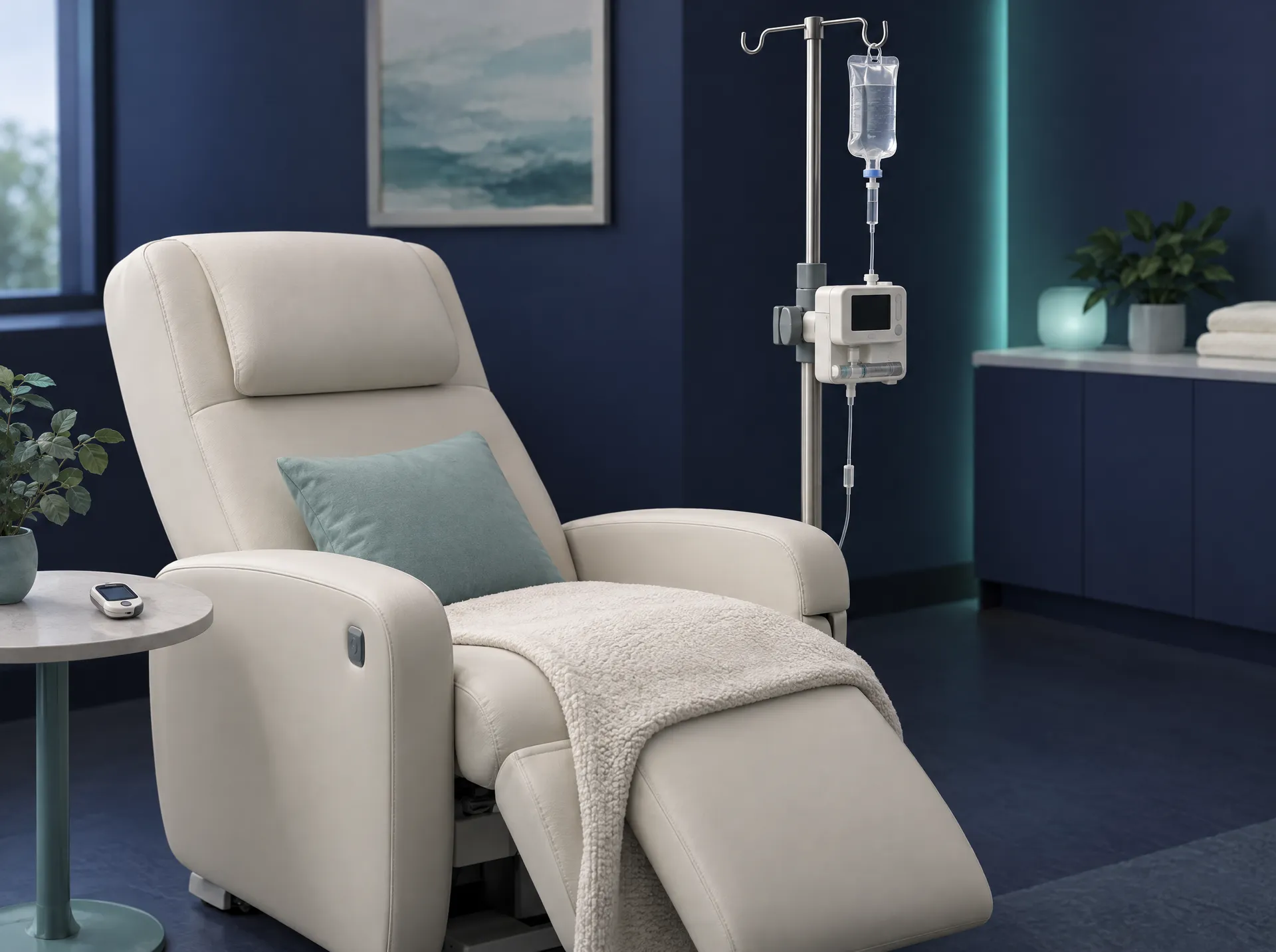
Illustration of an ipt - insulin-potentiated low-dose chemotherapy device
Illustration: infusion set-up for insulin-potentiated therapy. Not a photo of our department.
Phase 3

Recovery & Resilience

The treatment program does not end when the inpatient stay concludes. Phase 3 focuses on sustaining the improvements achieved and building long-term resilience against relapse.

Our recovery phase includes:

  • Post-discharge monitoring with scheduled follow-up assessments
  • Remote teleconsultation for international patients returning home
  • Individualized home protocol including supplementation, pacing strategies, and graduated activity plans
  • Repeat microcirculation assessment at defined intervals to track objective improvement
  • Coordination with the patient's local medical team to ensure continuity of care
  • Option for follow-up apheresis sessions if microclot burden requires additional treatment cycles

Most patients undergo a 2-3 week initial treatment program. Some patients benefit from a second treatment cycle 3-6 months later, particularly those with high initial microclot burden or severe immune dysregulation.

Dr. Beate Jaeger, post-COVID and microclot research specialist, St. George Hospital
Expert Insight

Clinical Perspective on Treatment

“The removal of microclots through therapeutic apheresis, combined with measures to improve microcirculation and address endothelial dysfunction, represents one of the most promising avenues for treating Post-COVID syndrome at its root cause rather than at the symptom level.”

Dr. Beate Jaeger, M.D. — Clinical research into fibrinoid microclots and microcirculation in Post-COVID syndrome

Dr. Jaeger’s clinical observations at Klinik St. Georg have demonstrated measurable improvement in microcirculation parameters following targeted treatment, with corresponding improvements in patient-reported symptom scores across fatigue, cognitive function, and exercise tolerance domains. These findings continue to inform and refine the treatment protocols designed by Dr. Julian Douwes for the Post-COVID program at St. George Hospital.

These mechanisms and therapeutic approaches are actively under scientific investigation. Treatment protocols are continuously updated as new clinical evidence becomes available.

Program Overview

What to Expect

Our Post-COVID treatment program is structured to provide maximum therapeutic benefit within a concentrated timeframe, with clear follow-up pathways for sustained recovery.

2-3 Weeks

Intensive inpatient treatment program with daily therapeutic sessions and continuous medical monitoring.

Individualized

Every treatment plan is designed based on each patient's specific diagnostic findings, symptom profile, and medical history.

Measurable

Objective tracking of microcirculation, microclot burden, immune parameters, and mitochondrial function before, during, and after treatment.

International

We welcome international patients and provide multilingual coordination, airport transfers, accommodation support, and teleconsultation follow-up.

Related Therapies

Explore Our Therapeutic Modalities

500+Post-COVID Patients Treated
12+Therapeutic Modalities
35+Countries Served
In the room

A Combined Treatment Success

“I saw Dr. Jaeger, who specializes in long-haul COVID issues, and she worked together with the Lyme doctors to create a plan with further detoxing, medications and supplements to support the rebuilding of my body. My energy level has returned to near normal, I am sleeping better, my immune system is stronger, and I feel more like myself.”

International Patient — Combined Treatment Protocol

Request a consultation

A video consultation in English before you travel. A physician reviews your findings first; we reply by email within one business day (Mon–Fri).

Mon–Thu 08:00–17:00, Fri 08:00–14:00 (CET/CEST)+49 8061 398-0info@clinicum-stgeorg.de

St. George Hospital is a specialist hospital, not an emergency department. In a medical emergency in Germany, dial 112.

CallRequest